
Reasons why anti-submarine warfare in the Pacific should be distributed and autonomous
With new-but-proven technologies, the Navy can maintain its undersea dominance even as the strategic landscape grows more complex.

With new-but-proven technologies, the Navy can maintain its undersea dominance even as the strategic landscape grows more complex.

Distributed anti-submarine warfare leverages autonomy and advanced comms and networked sensors that already exist.
There is no single answer to the drone threat, pushing the Pentagon toward a broader mix of defenses.


Part 3 of a narrative series illustrating how Elbit America’s USA-manufactured products enable customers to successfully accomplish their most demanding missions.

The ability of the SPY-6 family of radars to meet today’s new threats is due to both its modular and scalable hardware and its software-defined backbone.
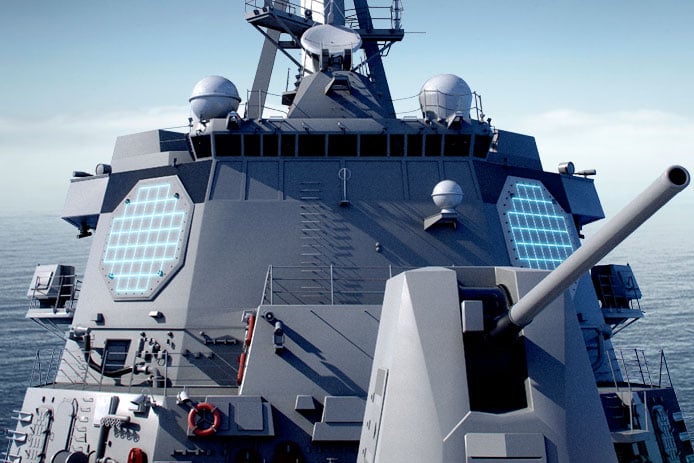
The ability to track smaller and faster objects at longer distances gives naval vessels more time to respond to incoming threats.

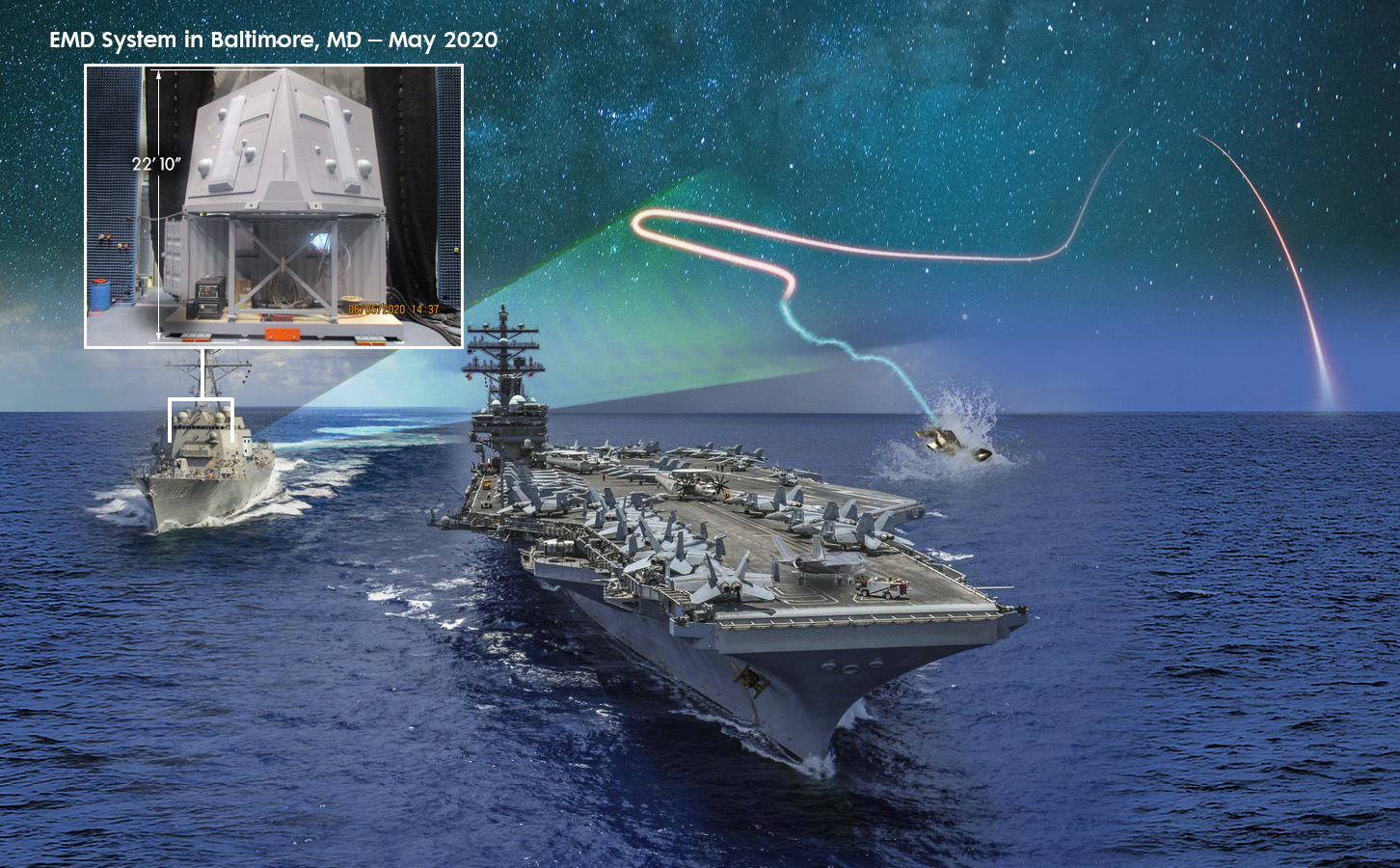
The Marine Corps’ Ground/Air Task-Oriented Radar (G/ATOR) and the Navy’s Surface Electronic Warfare Improvement Program (SEWIP) Block 3 program enable DMO.

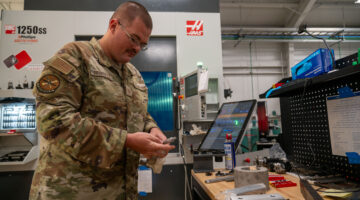
AI-enabled workflows accelerate production, but cybersecurity and governance remain central.


Power and energy are becoming mission enablers to support the increasing electric-load demands of modern combatant ships, especially in the areas of advanced radar and other electronic systems, as well as directed energy weapons.

The near-term challenge for DMO is figuring out how to take existing platforms and systems and quickly evolve them to provide JADC2-like capabilities to a dispersed fleet.


To facilitate the pivot to the Great Power competition against adaptive enemies with advanced capabilities, the Navy is developing the flexibility to decentralize its forces while remaining fully networked.

“We were able to … create new software and put new communication waveforms through the system and demonstrate a class a wave forms it could be critical to the Navy as they look at Project Overmatch," said Mike Meaney, a Northrop Grumman official.
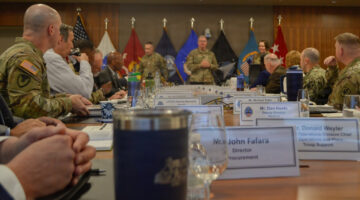
Supply chains are only as strong as their weakest link, which has been repeatedly proven to be true over the last few years.